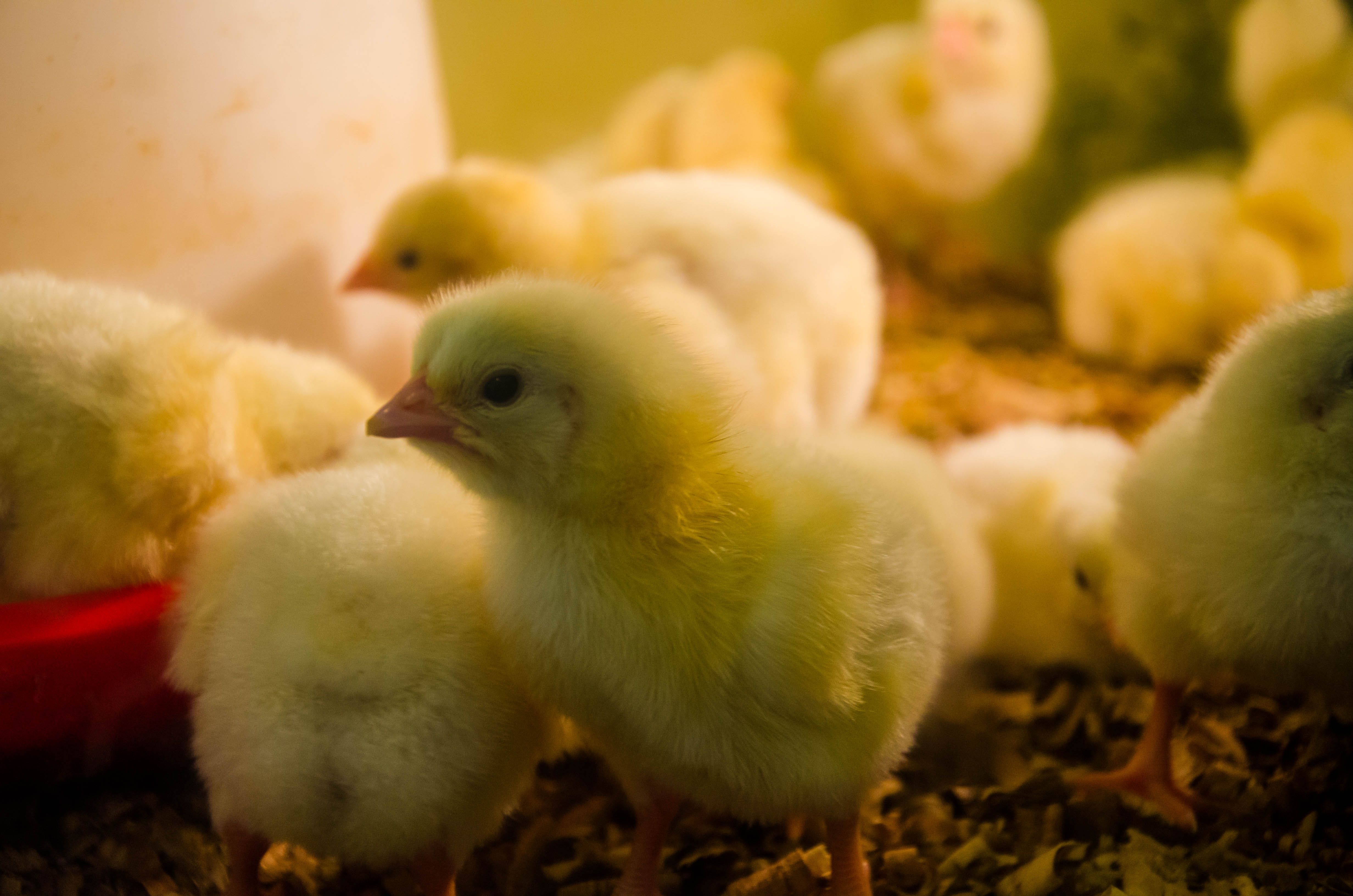
Half of every hatch never becomes a hen.
For every female egg that becomes a layer, a male egg gets wasted in the process. Aside from animal welfare implications, this signifies that resources are expended on products that will never reach the customer. In-ovo sexing is the first commercially proven method to change this arithmetic.
Half become layers, half are wasted
In-ovo sexing technology enables hatcheries to determine the sex of their eggs mid-incubation. This process allows male eggs to be removed from the incubator prior to hatching, in turn preventing the culling of day-old male chicks that are incapable of egg production or are expensive to rear for meat compared to their broiler counterparts.
In-ovo sexing has been operational at scale in Europe for several years and has begun to penetrate markets such as the United States, Brazil, and more recently, Australia.
Male egg removed before hatching
Once eggs are already being handled individually for sexing, the same infrastructure can support in-ovo vaccination, delivering immunisation before hatch rather than after. It's standard practice in the broiler industry and not yet available at scale in layer hatcheries.
The same shift also opens the door to on-farm hatching, where eggs are transported and hatched at the rearing site instead of a central hatchery, reducing chick handling and transport stress. Broiler operations have used this model for years; layer hatcheries have not yet made the switch.
In-ovo sexing is not the only way to address male chick culling. Two other approaches are already in use across Asia Pacific.
Some breeding programs use dual-purpose breeds, where males are raised for meat instead of being culled. This avoids culling entirely, but dual-purpose birds lay fewer eggs and grow slower for meat than breeds bred for either purpose specifically, so the trade-off shows up in productivity on egg farms rather than at the hatchery. Dual purpose breeds are prevalent in backyard farms in countries across Asia Pacific, like India and Indonesia.
Male chicks from standard layer breeds can also be raised for meat instead of culled at hatch. This keeps the existing breed genetics but requires additional rearing infrastructure and time, and the resulting meat yield is lower than a dedicated meat breed. This is already the norm in Thailand, where an estimated 40 million male layer chicks are raised for meat each year rather than culled, sold cheaply to contract farmers and marketed as a distinct product rather than competing directly with broiler meat.
In-ovo sexing avoids the productivity trade-offs of dual-purpose breeds and the added rearing costs of chick fattening. Male eggs are removed before they would become chicks at all, and it's the approach in commercial use at the largest scale in Europe today.